-
1. Introduction
-
2. Importance of a Clean Catalytic Converter
-
3. Signs of a Clogged Converter
-
4. Catalytic Converter Cleaning Methods
-
5. DIY Converter Cleaning Techniques
-
6. Fuel Additives for Catalytic Converter Cleaning
-
7. Conclusion
1. Introduction:
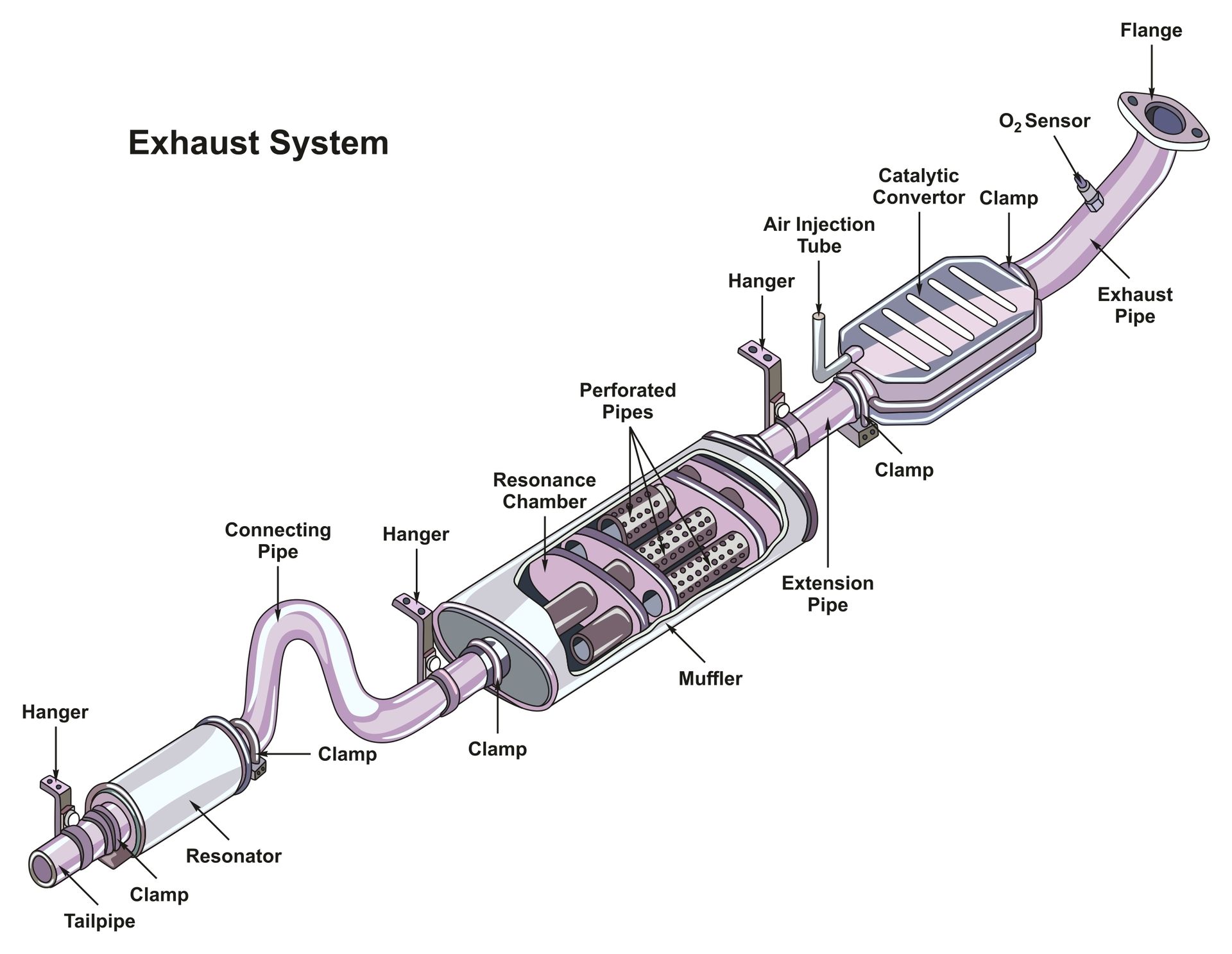
Catalytic converters play a crucial role in reducing harmful emissions from your vehicle’s exhaust system. Over time, however, they can become clogged with carbon deposits and other contaminants, impacting engine performance and fuel efficiency. In this comprehensive guide, we’ll explore the importance of maintaining a clean catalytic converter, signs of a clogged converter, and various methods for cleaning it without removing it from your vehicle.
2. Importance of a Clean Catalytic Converter:
A clean catalytic converter is essential for:
-
Reducing harmful emissions: By converting toxic pollutants into less harmful gases, catalytic converters help protect the environment and improve air quality.
-
Maintaining engine performance: A clogged converter can restrict exhaust flow, leading to reduced engine power and fuel efficiency.
-
Ensuring compliance with emissions regulations: A properly functioning catalytic converter is necessary to pass emissions tests and meet regulatory standards.
3. Signs of a Clogged Converter:
It’s essential to recognize the signs of a clogged catalytic converter, including:
-
Decreased engine performance: Sluggish acceleration, reduced power, or engine hesitation may indicate a clogged converter.
-
Increased fuel consumption: A clogged converter can cause the engine to run inefficiently, leading to higher fuel consumption.
-
Check engine light: Illumination of the check engine light may indicate a problem with the catalytic converter or emissions system.

4. Catalytic Converter Cleaning Methods:
Several methods can be used to clean a catalytic converter without removing it from the vehicle, including:
-
Mechanical cleaning: Using a high-pressure air or water spray to dislodge carbon deposits and other contaminants from the converter.
-
Chemical cleaning: Applying a specially formulated catalytic converter cleaner to dissolve carbon buildup and restore converter efficiency.
-
Thermal cleaning: Driving the vehicle at high speeds for an extended period can help burn off carbon deposits and unclog the converter.
5. DIY Converter Cleaning Techniques:
For DIY enthusiasts, here are some additional techniques for cleaning a catalytic converter:
-
Tap and shake method: Tapping the converter with a rubber mallet and shaking it vigorously can help dislodge loose debris.
-
Soak and rinse: Soaking the converter in a mixture of warm water and mild detergent, followed by thorough rinsing, can help remove stubborn deposits.
6. Fuel Additives for Catalytic Converter Cleaning:
Certain fuel additives are designed to clean and maintain catalytic converters, including:
-
Catalytic converter cleaners: These additives are specifically formulated to dissolve carbon buildup and restore converter efficiency when added to the fuel tank.
-
Fuel system cleaners: Regular use of fuel system cleaners can help prevent carbon deposits from forming in the catalytic converter and other engine components.
7. Conclusion:
Maintaining a clean catalytic converter is essential for optimal engine performance, fuel efficiency, and emissions compliance. By recognizing the signs of a clogged converter and employing various cleaning methods and fuel additives, you can prolong the life of your catalytic converter and ensure smooth operation of your vehicle. For professional assistance with catalytic converter cleaning or any other automotive services, visit Blue Star Brothers.
In conclusion, cleaning a catalytic converter without removing it from the vehicle is possible using various methods and fuel additives. By following the guidelines outlined in this guide, you can effectively remove carbon deposits and restore the efficiency of your catalytic converter, ensuring optimal engine performance and emissions compliance for miles to come.